Bento, But Make It Viral: The Real Price of Eating Cute in the Age of Food TikTok
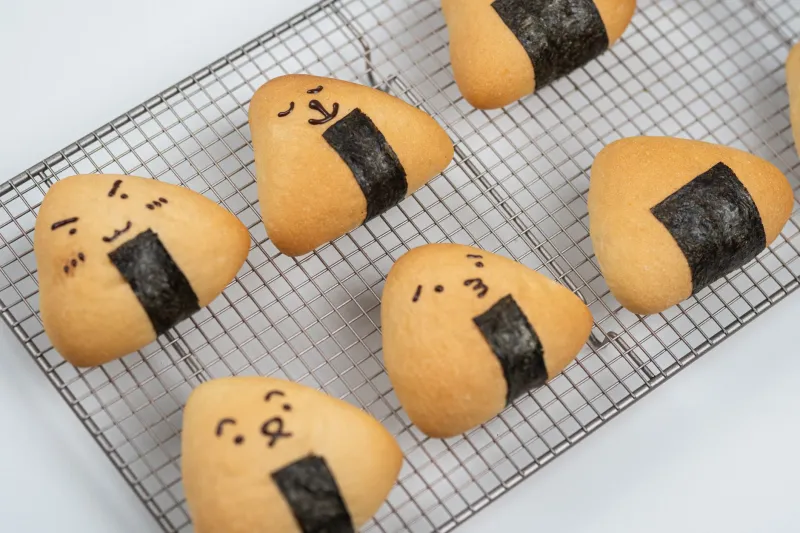
Somewhere between a Sanrio-shaped onigiri and a cloud-themed smoothie bowl, eating stopped being just about food. For a significant slice of Gen Z, meals are now a full creative practice — planned, photographed, filtered, and posted before anyone takes a single bite. And honestly? It looks incredible. But it also costs more than most people are willing to admit.
Welcome to cute cuisine, where your lunch is a personality statement and your grocery cart looks like it belongs to a very organized, very aesthetic-forward art student.
How Food Got So Pretty
The roots of this moment go back further than TikTok. Japanese bento culture — the art of packing visually stunning, character-themed lunches — has been a thing for decades. What changed is that social media gave it a global stage and a very, very large audience of people who had never considered that their food could look like a Studio Ghibli scene.
Then the pandemic happened. People were home, anxious, bored, and suddenly had both the time and the desperate need for small, controllable joys. Aesthetic cooking exploded. Dalgona coffee, whipped lemonade, elaborate charcuterie boards shaped like hearts and flowers — food became a craft project, a coping mechanism, and a content category all at once.
By 2023, the "cute food" corner of TikTok had evolved into something genuinely impressive. Creators were making sushi that looked like cartoon animals, rice balls shaped like popular characters, pancakes with anime faces, and elaborate bento boxes that took anywhere from 30 minutes to two hours to assemble. The hashtag #bentotok alone has racked up billions of views.
The Creators Making It Look Easy (Spoiler: It's Not)
Alex, 25, started posting bento content two years ago and now has a following of over 200,000 across TikTok and Instagram. Her videos look effortless — a cheerful 60-second clip of a Hello Kitty-themed lunch coming together in satisfying, time-lapsed cuts. What the video doesn't show is the 90 minutes of prep, the $40 trip to a specialty Asian grocery store, and the three failed attempts at getting the seaweed face to sit correctly on the rice.
"People always ask me how long it takes," she says. "And I always say 'not that long!' because honestly, if I told them the truth, half of them would leave."
She's not wrong that the barrier is real. The supplies alone — rice molds, nori punches, food-safe picks, silicone dividers, specialty sauces and ingredients — can run anywhere from $50 to $200 for a starter kit that looks the part. And that's before you factor in the actual food.
For her most-viewed video, a Totoro bento that got 3 million plays, Alex estimates she spent about $28 on ingredients for a lunch that would've cost maybe $6 to make without the aesthetic component. "The edible eyes alone were $9," she laughs.
Is Pretty Food Actually Good for You?
Here's where it gets interesting. There's a persistent assumption that cute food must also be healthy food — that the whole aesthetic is adjacent to clean eating, fresh ingredients, colorful vegetables. And sometimes that's true. A rainbow bento packed with fresh fruit, veggies, and protein-forward fillings is genuinely nutritious.
But registered dietitian Camille Torres, based in Los Angeles, points out that the aesthetic sometimes takes the wheel in ways that don't actually serve your body. "I've seen clients spending enormous amounts of time and energy on how food looks, and then eating very small portions because they don't want to disrupt the arrangement," she says. "Or they're adding lots of food dye, processed decorative elements, or skipping whole food groups because they don't 'fit the color scheme.'"
There's also the stress factor. "Meal prep is supposed to reduce anxiety around eating," Torres says. "But if you're spending two hours on a lunch and feeling frustrated when it doesn't look right, that's the opposite of what food should be doing for you."
That said, she's not anti-cute food by any means. "If making a fun bento gets someone excited about packing lunch instead of buying fast food, that's a genuine win. It's about whether the aesthetic is serving you or the other way around."
What It's Actually Costing People
We asked a handful of self-identified aesthetic eaters to track their spending for a month. The results were illuminating.
Sophie, 21, a college student in Austin, normally spends around $180/month on groceries. During her "cute food era," that number climbed to $310 — a $130 jump she attributes almost entirely to specialty ingredients, character-branded snacks, and the specific brands that look best on camera. "Matcha from the regular grocery store doesn't photograph the same as the $22 ceremonial grade tin," she says, without a trace of irony.
Dominic, 23, in Chicago, got into the aesthetic charcuterie trend and estimates he spent close to $600 over two months building up the right boards, serving pieces, and "photogenic" food items. "I use the boards constantly now, so I think it evens out," he says. "But the initial investment was genuinely shocking when I added it up."
And then there are the restaurant experiences. Cafes and restaurants that lean into aesthetic presentation — the ones with the cloud lattes and the flower-shaped toast — consistently charge a premium for the visual experience. A matcha latte at a standard coffee shop runs $5-6. The same drink, presented with latte art and a dried flower on the saucer at an aesthetic café? Closer to $9-11. People pay it. Happily, often.
The Joy Is Real, Though
Here's what's easy to lose in the cost breakdown: this stuff genuinely makes people happy. Not in a performative way, but in a real, tactile, creative way that a lot of Gen Z doesn't get from much else in their day.
"Making a cute lunch is the one part of my morning that feels completely mine," says Jess, 20, a nursing student in Florida. "My classes are stressful, my schedule is packed, but for 20 minutes I'm just cutting little shapes out of cucumber and it's the most peaceful I feel all day."
That's worth something. Probably more than the $9 edible eyes, honestly.
The cute food trend, at its best, is about reclaiming a small, sensory, joyful part of daily life that modern schedules tend to bulldoze. At its most expensive, it's a reminder that aesthetics always have a price tag — and it's worth knowing what yours is before you buy the third set of nori punches you'll never actually use.