Eco-Cute: How the Quest for the Perfect Kawaii Aesthetic Is Turning Gen Z Into Surprisingly Ethical Shoppers
It started, for a lot of people, with a simple problem: the exact Hello Kitty zip-up they wanted from 2004 wasn't being made anymore. So they went to Depop. Then they went to thrift stores. Then they started following vintage kawaii accounts on Instagram. And somewhere in the middle of all that hunting, something shifted — not just in their wardrobe, but in how they thought about buying things altogether.
Gen Z's relationship with cute consumerism is doing something unexpected. The same aesthetic obsession that could theoretically fuel overconsumption is, in a growing number of cases, redirecting young shoppers toward more thoughtful, intentional, and ethical choices. It's not a perfect story — no story about consumerism ever is — but it's a genuinely interesting one, and it's worth paying attention to.
The Thrift Hunt as Aesthetic Quest
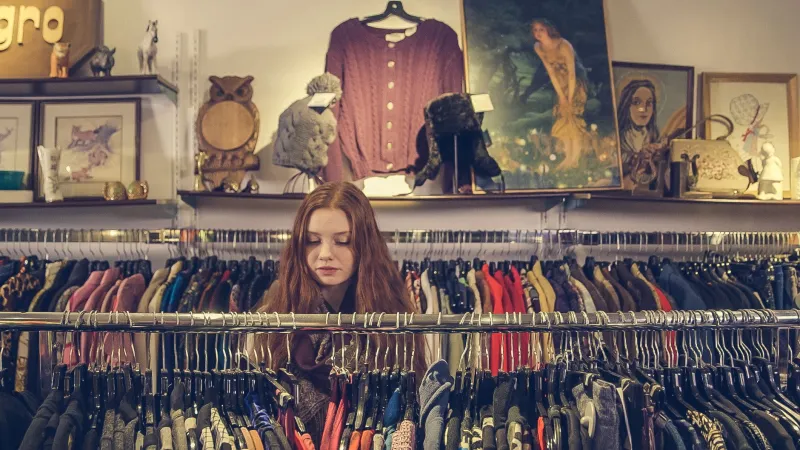
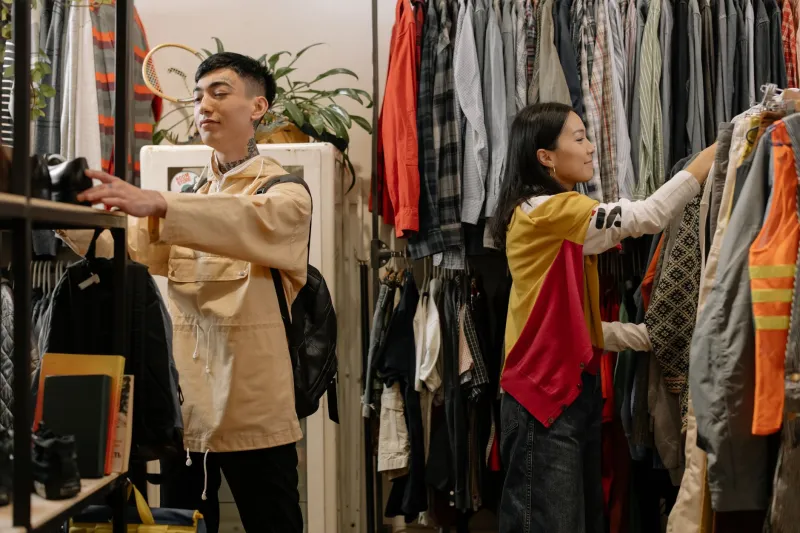
If you spend any time on kawaii TikTok or the softer corners of Instagram, you've seen the thrift haul videos. Someone holds up a vintage Sanrio pencil case, or a Y2K baby tee with a tiny cartoon graphic, or a pair of platform sneakers in exactly the right shade of lavender — and the comments erupt. Where did you find this?? This is so rare. I've been looking for something like this forever.
The hunt for vintage and secondhand pieces has become a core part of the kawaii and soft-girl aesthetic experience. Part of that is financial — thrifting is cheaper, and Gen Z is dealing with a cost-of-living situation that makes fast fashion's price points genuinely tempting but secondhand shopping's even lower prices more so. But it's also aesthetic. There's a specific charm to a piece that has history, that isn't being worn by literally everyone else, that feels discovered rather than purchased.
"Vintage kawaii stuff has this quality that you just can't replicate with new production," explains Bri, a 21-year-old thrifter and content creator based in Portland. "The colors are slightly different. The graphics are a little softer. It feels special in a way that a mass-produced item just doesn't."
And crucially: it keeps things out of landfills. Every vintage Sanrio item that gets a second life in someone's collection is one that didn't end up in a trash heap. The environmental math is pretty simple, even if that wasn't anyone's primary motivation for shopping this way.
The Indie Creator Economy and What It's Teaching Gen Z
Another place where cute culture and ethical consumption are converging is the indie creator economy. Platforms like Etsy, Ko-fi, and even TikTok Shop have made it genuinely viable for small artists and makers to sell directly to fans — and Gen Z is buying from them in significant numbers.
The appeal is multifaceted. Indie creators make things that feel more personal, more unique, more aligned with specific aesthetic niches than anything you'd find at a mass retailer. A small artist on Etsy might make exactly the enamel pin you've been picturing — the little cloud with a sleepy face, the mushroom wearing a bow — and you can't get that at Target.
But buying from indie creators also carries a values dimension that a lot of Gen Z shoppers are increasingly aware of. When you buy a $12 sticker sheet from an independent artist, you know where your money is going. You can see the person who made it. You can read their story. You can watch them celebrate hitting a sales milestone on their social media. It feels like participating in something rather than just consuming it.
"I think about where my money goes now in a way I didn't when I was younger," says Priya, 23, who runs a small kawaii lifestyle blog. "Fast fashion is fast for a reason — someone somewhere is absorbing the cost of that speed, and it's usually not someone who's doing great. Buying from a small artist feels completely different."
The Fast Fashion Reckoning
It would be dishonest to talk about Gen Z and ethical shopping without acknowledging that fast fashion platforms — particularly certain ultra-fast ones that shall not be named but whose names rhyme with "Beam" — have also had a significant Gen Z customer base. The aesthetic appeal of cheap, trend-driven pieces is real, and the financial pressure that makes them tempting is also real.
But there's a growing tension in the community around this. As more creators and shoppers talk openly about the environmental and labor practices behind ultra-fast fashion, the cognitive dissonance of buying from those platforms while also caring about sustainability is becoming harder to ignore.
"I used to order from those sites all the time," admits one 20-year-old fashion TikToker. "And then I started actually reading about what it takes to produce something that cheap, and I couldn't unknow it. Now I thrift almost everything, and when I do buy new, I try to buy from brands that are actually transparent about how they operate."
This kind of shift — imperfect, gradual, driven by community conversation rather than top-down messaging — is actually how meaningful consumer behavior change tends to happen.
Brands Proving You Can Be Cute AND Conscious
The most exciting development in this space might be the emerging crop of small brands that are building their entire identity around the idea that cuteness and sustainability aren't in conflict.
Think: stationery brands using recycled paper and soy-based inks to produce the most adorable notebooks you've ever seen. Clothing brands making soft, pastel pieces from deadstock fabric or organic cotton, with transparent supply chains and genuinely fair labor practices. Accessories makers using reclaimed materials to create the kind of chunky, playful jewelry that kawaii culture loves.
These brands are speaking directly to a Gen Z audience that has been trained by aesthetic culture to pay close attention to how things look and feel — and they're adding a layer of values that many of their customers find genuinely compelling.
"We started the brand because we were frustrated," says the founder of one such small business, who makes kawaii-inspired tote bags from upcycled fabrics. "Everything cute was either cheap and unethical or expensive and boring. We wanted to make something that was adorable and something you could feel good about buying."
The response, she says, has been overwhelming. Her waitlists are long. Her community is enthusiastic. And her customers are vocal advocates — the kind of word-of-mouth that money can't buy.
Cute With a Conscience
None of this means Gen Z has solved ethical consumption or that kawaii culture is inherently sustainable. Overconsumption is still a real risk in any aesthetic-driven community, and the pressure to constantly update and curate a perfect aesthetic can push people toward buying more than they need regardless of where it comes from.
But the direction of travel is genuinely interesting. The same values that make kawaii culture appealing — the emphasis on things that feel meaningful, personal, and special; the preference for the handmade and the unique; the community-driven nature of aesthetic identity — turn out to be pretty compatible with the values of ethical consumption.
The cutest version of your aesthetic might also be the most conscious one. And for a growing number of Gen Z shoppers, that's not a compromise — it's the whole point.