Don't You Dare Touch Their Face: Why Gen Z Takes Character Redesigns So Personally
There's a very specific kind of chaos that erupts on the internet when a beloved character gets a redesign. It doesn't matter if it's a fast food mascot, a video game protagonist, or a plushie line getting a "fresh update" — the reaction is immediate, loud, and deeply, deeply personal. Gen Z doesn't just have opinions about character design. They have feelings. And honestly? That makes complete sense.
We're a generation that grew up using aesthetics as a second language. The characters we love aren't just cute drawings — they're emotional anchors, identity markers, and in a lot of cases, the foundation of entire friend groups. So when a brand decides to "modernize" or "streamline" a design we've been emotionally attached to since childhood, it lands less like a creative update and more like someone rearranging your childhood bedroom without asking.
The Redesign That Broke the Internet (Pick One, There Are So Many)
Let's talk specifics, because the receipts are everywhere. Remember when Sonic the Hedgehog's movie design dropped in 2019 and the internet essentially went into a collective tailspin? The backlash was so overwhelming that the studio actually delayed the film to redesign the character. That's not a small thing. That's a multi-million dollar production changing course because fans refused to accept a version of their beloved character that didn't feel right.
Or consider what happened when various Pokémon redesigns or regional variants have sparked debates about whether certain 'mons lost their original charm. The Pokémon fandom is notoriously protective, and any perceived "dumbing down" or over-simplification of a beloved design sends forums into overdrive.
More recently, the Sanrio universe — which is practically sacred territory for kawaii culture enthusiasts — has seen fans dissect every tiny tweak to character proportions with forensic precision. Change Hello Kitty's bow angle by two degrees and someone will notice. Someone will make a comparison post. And that post will go viral.
It's Not Just Nostalgia — It's Identity
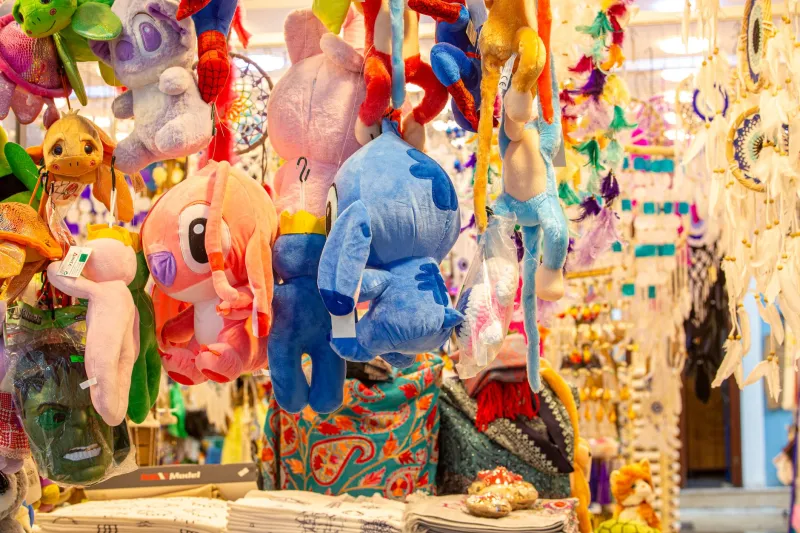
Here's the thing that brands and creative directors sometimes miss: for Gen Z, cute characters aren't passive entertainment. They're active parts of how people present themselves to the world. Your Cinnamoroll tote bag, your Kirby hoodie, your Stitch phone case — these aren't random purchases. They're carefully chosen signals about who you are, what you value, and what kind of energy you're putting out.
When a character gets redesigned in a way that strips out the softness, the roundness, the big eyes, or the gentle color palette that made it resonate in the first place, it's not just an aesthetic loss. It feels like the thing you used to communicate something real about yourself has been altered without your consent. The brand owns the IP, sure — but the emotional meaning? That belongs to the fans.
This is especially true for characters that have served as comfort objects or mental health touchstones. A significant portion of Gen Z has openly talked about how cute characters and kawaii aesthetics helped them through anxiety, depression, or just the general chaos of growing up online. When that design changes, it can genuinely feel destabilizing.
The "Corporatizing Cute" Problem
A lot of redesign controversies follow a predictable pattern: a beloved, slightly quirky, organically charming character gets handed off to a new creative team or a larger corporation, and suddenly the edges get smoothed out. The weird little details that made the design feel alive get replaced with something cleaner, more marketable, and infinitely less interesting.
Fans have started calling this "corporatizing cute" — the process by which a character loses its soul in pursuit of broader appeal. It's the visual equivalent of a beloved indie band signing to a major label and suddenly sounding like everyone else. The charm was in the specificity, and the specificity is exactly what gets sacrificed first.
Gen Z has a finely tuned radar for this kind of thing. Growing up in the age of brand authenticity discourse means they can smell a committee-designed character from a mile away. And they will absolutely call it out.
When Fans Push Back (And Win)
The Sonic situation wasn't a one-off. Fan pushback on character redesigns has actually resulted in real, tangible changes more often than you might think. Brands have quietly walked back color palette changes, restored original design elements after fan outcry, and in some cases, essentially admitted that the original design was better.
This is genuinely new territory. For most of pop culture history, fans were passive recipients of creative decisions made by people in boardrooms. Now, with social media giving everyone a megaphone and virality as a real force, the relationship between IP owners and fanbases has fundamentally shifted. Gen Z didn't just inherit this dynamic — they perfected it.
Comparison posts, side-by-side breakdowns, "what they took from us" TikToks, and organized petition campaigns have all become standard tools in the fan arsenal. And brands are paying attention, because the cost of getting it wrong — in terms of PR, sales, and long-term brand loyalty — is genuinely significant.
The Cuteness Standard Is Non-Negotiable
At the heart of all of this is something that might sound simple but is actually pretty profound: Gen Z has developed a collective, highly refined sense of what "cute" means and why it matters. It's not arbitrary. It's not shallow. The big eyes, the soft shapes, the pastel palettes, the gentle expressions — these aren't just design trends. They're a visual vocabulary that communicates safety, warmth, and emotional accessibility.
When a redesign strips those elements away in favor of something edgier, more "grown-up," or more commercially streamlined, it's not just changing a character's look. It's breaking a kind of visual promise. And Gen Z, a generation that has fought hard to reclaim softness as something worth protecting rather than something to be embarrassed about, takes that promise seriously.
So What Should Brands Actually Do?
Honestly? Listen more and redesign less. If you absolutely must update a character, bring fans into the conversation early. Be transparent about why changes are being made. And for the love of all things kawaii, don't flatten the quirks — those quirks are literally the whole point.
The brands that do this well understand that cute characters are collaborative cultural artifacts. They were shaped by fan love as much as by original design intent. Treating them that way — with genuine respect for the emotional investment fans have made — is the difference between a redesign that gets celebrated and one that spawns a thousand "they ruined it" posts before the announcement even finishes loading.
Because at the end of the day, cute is what we aim for. And some things? You just don't mess with.