Gremlin Energy: How Weird-Looking Animals Became Gen Z's Favorite Obsession
There's a blobfish on your screen right now — somewhere, on some corner of the internet — and someone is absolutely losing their mind over how precious it is. Not in a joking way. In a genuine, wholehearted, I-would-die-for-this-creature kind of way. Welcome to the era of ugly-cute, where the weirder the animal, the harder we fall.
Gen Z has always had a soft spot for the unconventional. From embracing "weird girl" aesthetics to making the most chaotic memes feel weirdly comforting, this generation has a gift for finding magic in things that don't quite fit the traditional mold. And now, that energy has officially spilled over into the animal kingdom — and the results are chef's kiss.
What Even Is "Ugly-Cute"?
Let's set the scene. You're scrolling TikTok at 1 a.m. (we've all been there), and suddenly a video of a hairless Sphynx cat — all wrinkles and enormous ears and deeply judgmental eyes — stops you mid-scroll. Your brain does a little flip. Is it cute? Is it unsettling? Is it both? That right there is the ugly-cute experience in its purest form.
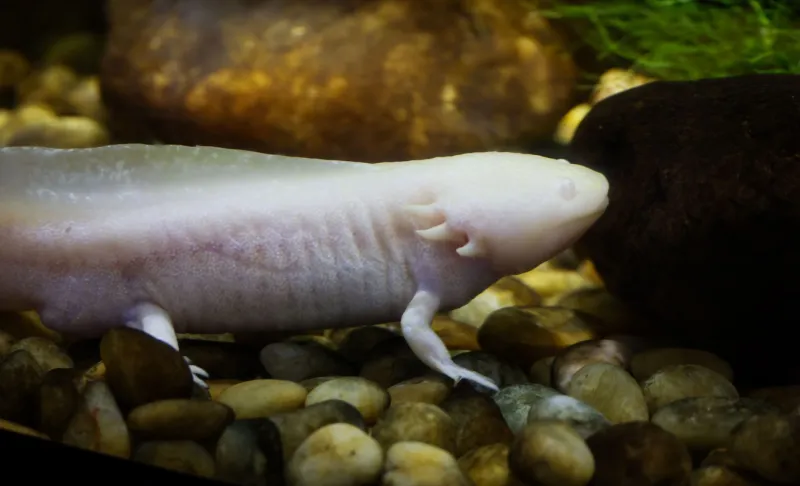
The term describes creatures that defy conventional prettiness but somehow trigger the same warm, fuzzy feelings we associate with traditionally adorable animals. Think axolotls with their feathery pink gills and permanent little smiles. Think star-nosed moles, aye-ayes, and the deeply chaotic energy of a naked mole rat going about its day. These animals weren't exactly gracing the covers of nature magazines, but on social media? They're full-blown celebrities.
Psychologists actually have a framework for this. The concept of Kindchenschema — basically the set of baby-like features (big eyes, round faces, small noses) that trigger our nurturing instincts — has long explained why we find puppies and kittens irresistible. But ugly-cute animals often flip that formula entirely, and researchers suggest that the surprise of finding something endearing where we didn't expect to is its own kind of dopamine hit. Our brains love being pleasantly wrong.
Social Media Built This Kingdom
You can't talk about ugly-cute culture without talking about the platforms that made it mainstream. TikTok, in particular, has been an absolute game-changer. Accounts dedicated entirely to axolotls — those dreamy, alien-looking salamanders native to Mexico — routinely rack up millions of views. Videos tagged #axolotl have billions of collective plays, and the comments sections read like love letters. "I would commit crimes for this animal," someone writes under a clip of an axolotl doing literally nothing. Forty thousand likes. Relatable.
Instagram and Reddit communities have also played a huge role. Subreddits like r/mildlyinteresting and r/Awwducational have long celebrated creatures that don't fit the golden retriever mold, and dedicated pages like @blobfishofficial (yes, that's a real thing) have built surprisingly loyal followings by leaning into the absurdity and charm of nature's most unconventional designs.
Meme culture has been the secret accelerant. When the blobfish first went viral years ago, it was mostly for laughs — a relatable stand-in for how we all feel on a Monday morning. But something shifted. People started genuinely defending the blobfish. Fan art appeared. Plushies were made. The joke became sincere affection, and that transition is deeply, beautifully Gen Z.
The Collectors and Creators Leading the Charge
Content creators have been instrumental in mainstreaming ugly-cute culture. Streamers and pet influencers who keep axolotls, Sphynx cats, or even giant African millipedes have found that their "unusual" pets outperform everything else in their content. The curiosity factor pulls people in, but the genuine bond between creator and creature is what keeps audiences coming back.
There's also a thriving collector community around ugly-cute merchandise. Axolotl plushies are genuinely hard to keep in stock on platforms like Etsy. Blobfish stress balls became an unlikely bestseller on Amazon. Enamel pins featuring star-nosed moles and dumbo octopuses sell out at conventions like Comic-Con and Anime Expo. The market has spoken: people want to carry their weird little guys with them everywhere.
For many collectors, the appeal goes beyond novelty. "There's something really comforting about loving something that other people might overlook," says one Etsy shop owner who specializes in axolotl-themed goods. "It feels like you're rooting for the underdog, and that hits different."
Rejecting the "Cute Tax"
There's a cultural undercurrent here worth exploring. Gen Z has been vocal about rejecting narrow beauty standards across fashion, body image, and media representation. It makes complete sense that this same energy would extend to animals. Loving a hairless cat or a blobfish is, in a small but meaningful way, a statement: cuteness isn't a fixed quality. It's something we choose to give.
This reframing has real warmth to it. Animal shelters have noticed that cats and dogs with unusual appearances — missing eyes, funny ears, quirky proportions — are increasingly being adopted by younger demographics who actively seek out the "imperfect" ones. The ugly-cute trend isn't just internet aesthetics. It's shifting how people relate to animals in real life.
The Creatures Wearing the Crown Right Now
If you want to speak fluent ugly-cute in 2024, here's your starter pack:
- Axolotls — The undisputed royalty. Pink, smiley, and perpetually unbothered.
- Sphynx cats — Wrinkly, dramatic, and somehow both ancient and chaotic.
- Blobfish — The original meme king, now a genuine icon of imperfect charm.
- Naked mole rats — Scientists love them; the internet loves them more.
- Dumbo octopuses — Literally have ear-like fins. Need we say more?
- Aye-ayes — Big eyes, bigger fingers, maximum weird energy.
- Proboscis monkeys — That nose! That confidence!
Each of these creatures has a dedicated fanbase that creates art, buys merchandise, and advocates loudly for their favorite weirdo. It's community-building through shared affection for the unconventional, and it is genuinely one of the most wholesome corners of the internet.
Why This Trend Isn't Going Anywhere
Ugly-cute isn't a phase. It's a values shift. As Gen Z continues to push back against perfectionism culture — the filtered feeds, the impossible standards, the pressure to be conventionally appealing at all times — celebrating creatures that are weird and wonderful and completely themselves feels radical in the best possible way.
The blobfish doesn't know it's a meme. The axolotl isn't performing cuteness for anyone. They just exist, in all their strange, magnificent glory, and we've decided that's more than enough reason to adore them.
Honestly? Same energy we're trying to cultivate for ourselves. And if that's the lesson the naked mole rat is here to teach us, we are extremely willing to learn.