The Loneliness Hidden Inside the Cutest Corners of the Internet

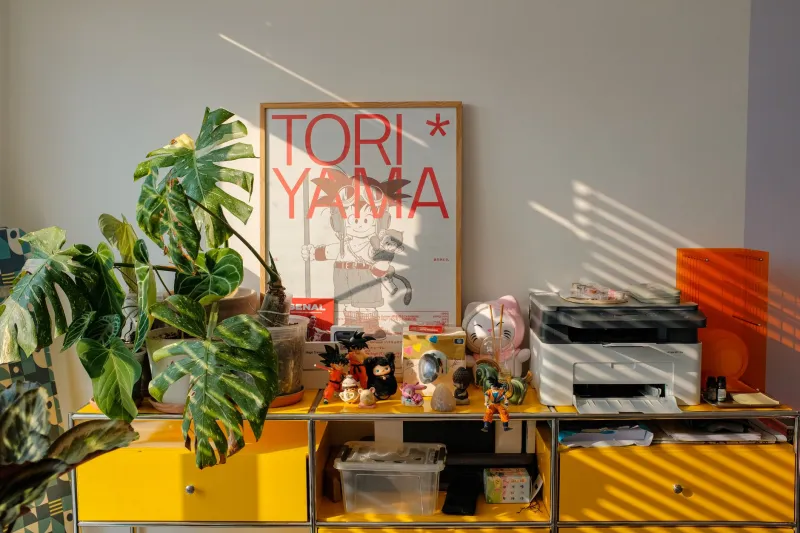
Scroll through any corner of CuteCore TikTok or a well-curated aesthetic Pinterest board and you'll feel it immediately — that warm, fuzzy pull of a world where everything matches, nothing is harsh, and every object has been chosen with deliberate, almost tender care. It looks like pure joy. It looks like community. It looks like the safest place on the internet.
But spend enough time talking to the people actually building those spaces, and a different picture starts to emerge.
"I have, like, 40,000 followers who love my room," says Maya, a 21-year-old content creator from Ohio who asked us to use only her first name. "And I genuinely don't have anyone to call when I'm having a bad day."
She's not alone in that feeling — and that's kind of the whole problem.
When Curation Becomes a Wall
There's something quietly paradoxical about the way cute aesthetics function online. On one hand, they're genuinely community-building. Sanrio fans find each other. Cottagecore girlies bond over mushroom print hauls. Cozy game lovers swap screenshots at 2 a.m. The shared language of softness is real, and it matters.
But there's a shadow side that doesn't get nearly enough airtime: the pressure to maintain the aesthetic can quietly seal you off from the people you're supposedly connecting with.
Dr. Priya Mehta, a licensed psychologist who works with adolescents and young adults in the Bay Area, puts it plainly: "When your identity online is tightly bound to a very specific visual presentation, authentic vulnerability becomes really threatening. Because the moment you're messy or sad or complicated, you're off-brand. And that's a lonely place to live."
For a lot of Gen Z creators, the cute aesthetic started as a genuine expression of self — a way to carve out something soft and personal in a world that felt relentlessly harsh. But somewhere between the first aesthetic haul video and the ten-thousandth follower, it shifts. The space stops being yours and starts being a product.
The Performance of Perpetual Cheerfulness
There's a specific flavor of pressure that cute culture generates that's different from, say, the hustle-grind content space or even traditional beauty influencing. Because cuteness carries an emotional expectation built right into it. Cute things are happy things. Cute spaces are safe spaces. Cute people are sweet people.
Which means if you're the person behind the aesthetic and you're actually anxious, burned out, or just kind of numb — you have nowhere to put that.
"I remember filming a room tour the same week my parents told me they were separating," says Jess, 19, from Nashville. "I just... did it anyway. Put on the playlist, turned on the ring light, talked about my new Crybaby figures. And people commented that I seemed so happy and peaceful. I literally cried after I posted it."
This kind of emotional masking isn't unique to cute culture, but the aesthetic amplifies it in a specific way. The softness that makes these spaces so appealing — the pastels, the plushies, the deliberately gentle visual language — also makes anything darker feel deeply out of place. You can't really post a breakdown reel over a lo-fi beats playlist and a background full of Jellycat bunnies without it feeling jarring to your audience, and often to yourself.
The result is a kind of ongoing performance of cheerfulness that can be genuinely exhausting. And exhaustion, over time, breeds isolation.
FOMO in the Softest Packaging
There's also the comparison trap, which cute culture has perfected in its own gentle, devastating way. The FOMO isn't about parties or social status — it's subtler than that. It's watching someone's $3,000 Sanrio collection and feeling like your own shelf is somehow less. It's seeing a creator's perfectly lit kawaii bedroom and looking around your own dorm room with something that feels uncomfortably close to shame.
Dr. Mehta calls this "aspirational aesthetics anxiety" — a phenomenon where the very content designed to feel comforting ends up functioning as a measuring stick. "These spaces are presented as attainable and personal, which makes the comparison feel more intimate than, say, a celebrity's lifestyle. It hits closer to home because it's supposed to be your kind of life."
And unlike the overt glamour of traditional influencer content, cute aesthetic content often markets itself explicitly as low-pressure and accessible. "You don't need to spend a lot, just make it cozy!" Which means when it still feels unattainable, there's an added layer of confusion — and self-blame.
The Community That's Always Online, Never There
Here's the thing that keeps coming up in these conversations: the community feels real, and in many ways, it is real. The comment sections are warm. The Discord servers are active. The mutual support during drops and launches is genuine.
But it's also largely transactional, even when it doesn't feel that way. People follow you for the aesthetic. They engage with the content. But very few of them know your actual name, your actual life, the version of you that exists when the ring light is off and the plushies are just sitting in a pile on the floor because you haven't had the energy to arrange them.
"I think I confused having an audience with having friends," Maya admits. "And by the time I realized the difference, I'd spent two years optimizing my personality for content instead of, like, actually connecting with people."
This isn't a reason to abandon cute culture or the communities it builds — not even close. Those spaces have given real comfort and genuine belonging to a lot of people who needed it badly. But it might be worth asking, occasionally, whether the aesthetic is opening doors or quietly closing them.
Finding Softness That Actually Holds You
The creators who seem to navigate this best are the ones who've found a way to let the cracks show without blowing up the whole vibe. Not dramatic trauma-dumping, but just — honest moments. A caption that says "today was hard but this new pin made me smile." A storytime that doesn't have a neat resolution. A shelfie that includes the corner that's still a mess.
It turns out audiences respond to that, often more warmly than to the perfectly curated version. Because underneath all the pastel and the plushies, what people are actually looking for in cute spaces is the same thing they're looking for everywhere: proof that someone else feels the way they do, and that it's okay.
The cutest thing you can do, it turns out, might just be letting yourself be a little bit real.