Feral, Funky & Fully Iconic: Why Gen Z Is Falling Hard for Mascots That Simply Do Not Care
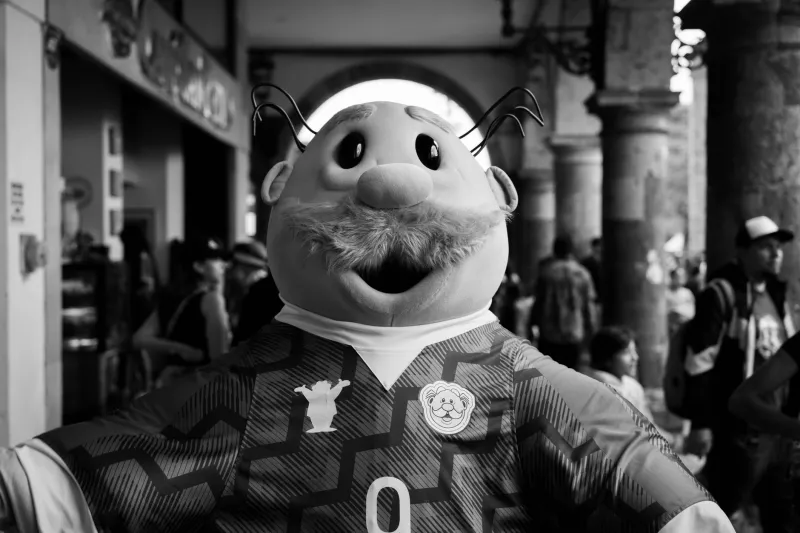
There's a new kind of cute taking over the internet, and it does not follow the rules. It's not perfectly round. It's not pastel pink with sparkling eyes and a gentle smile. It's a little unhinged. It might be screaming. It's definitely making questionable decisions. And Gen Z absolutely cannot get enough of it.
Welcome to the era of the chaotic good mascot — characters that are messy, weird, emotionally volatile, and somehow more lovable because of it. If you've spent any time on TikTok, Tumblr, or even just deep in the corner of the internet where the memes get truly unhinged, you already know exactly what we're talking about.
What Even Is a 'Chaotic Good' Mascot?
In classic Dungeons & Dragons terms, "chaotic good" describes someone who does the right thing but absolutely refuses to follow the rules to get there. Applied to mascots and characters, it's become shorthand for creatures that are lovable but unpredictable — characters with big feelings, zero impulse control, and an energy that screams I am doing my best and it is not going great.
Think of Duolingo's owl, Duo, who evolved from a friendly language tutor into a passive-aggressive, borderline threatening presence that somehow made people actually open the app. Or consider Gritty, the Philadelphia Flyers mascot who arrived in 2018 looking like he hadn't slept in six years and immediately became a cultural icon. These characters didn't win hearts by being cute in any traditional sense. They won hearts by being real — or at least, real in the way that chaos feels real.
Then there's the whole universe of fan-created chaotic mascots: blobs with too many teeth, cats drawn with cursed proportions, little guys who are clearly having a breakdown but are pushing through anyway. The internet generates dozens of these every week, and the ones that stick are the ones that feel the most genuinely, weirdly alive.
Why Imperfect Hits Different
Here's the thing about perfect mascots: they're kind of exhausting to relate to. Hello Kitty is flawless. Classic Mickey Mouse is cheerful and consistent. These characters are wonderful, but they exist in a reality where nothing ever goes wrong and everyone always has their life together.
Gen Z did not grow up in that reality.
This is a generation that came of age during a pandemic, navigated social media's impossible beauty standards, and has been told simultaneously that they can be anything and that the world is kind of on fire. Perfection doesn't feel aspirational anymore — it feels like a lie. But a tiny illustrated creature who is clearly overwhelmed and still showing up? That's relatable content.
Chaotic mascots give people permission to not have it all together. When your favorite character is visibly struggling but persisting anyway, it reframes your own messy moments as something almost endearing rather than shameful. There's a reason so many Gen Z users describe their attachment to these characters as "this is literally me" — because the chaos is the point.
The Viral Case Studies Worth Knowing
Duolingo's Duo the Owl is maybe the most mainstream example of a brand leaning fully into chaotic mascot energy. What started as gentle gamification evolved into Duo threatening users on TikTok, faking his own death, and generally behaving like a creature with nothing to lose. Engagement went through the roof. Turns out people respond to a mascot with stakes.
Gritty deserves his own paragraph. The Flyers mascot showed up looking like the physical embodiment of a fever dream — wild orange fur, enormous googly eyes, a vague sense of menace — and the internet immediately claimed him as a symbol of chaotic perseverance. He became a meme, a protest symbol, and a genuine pop culture moment, all because he was too weird to ignore.
Capybara content taps into this same energy, though capybaras themselves are real animals. The internet has collectively decided that capybaras, with their perpetually unbothered expressions and their habit of just sitting in hot springs surrounded by other animals, are the ultimate chaotic neutral icons. Fan art, plushies, and illustrated capybara mascots have exploded in popularity because they embody a specific vibe: completely at peace with the fact that nothing makes sense.
And then there's the whole genre of "little guy" mascots — small, round, slightly cursed creatures that circulate on social media with captions like "he is trying his best" or "this is the guy of all time." These characters don't come from brands. They emerge organically from artists and meme creators, and they spread because they fill an emotional need that polished characters simply can't.
What This Says About Gen Z and Authenticity
The chaotic mascot trend isn't just about humor, though humor is definitely part of it. It's about a fundamental shift in what authenticity looks like for young audiences.
For a long time, brands and creators chased a very specific version of cute: soft, consistent, aspirational, and conflict-free. That version of cute worked when audiences wanted to escape into something prettier than their real lives. But Gen Z has grown up with enough curated perfection to recognize it immediately — and to distrust it.
Chaotic mascots feel trustworthy precisely because they're not trying to be perfect. They're weird in ways that feel specific rather than manufactured. They have moods. They make bad choices. They're sometimes a little bit feral. And that specificity — that sense that someone actually made something strange and personal rather than something focus-grouped into blandness — is what makes them feel real.
There's also an element of control at play here. In a world that feels increasingly unpredictable, there's something genuinely comforting about a character whose chaos is contained and safe. You can project your own anxieties onto a screaming little blob and then close the app. The chaos belongs to the mascot. You get to just watch and feel seen.
How to Spot Your Next Favorite Chaotic Icon
If you want to find your people in the chaotic mascot fandom, here's where to look:
- TikTok's #mascot and #littleguy tags are a gold mine of fan-created characters with big energy and questionable decision-making skills.
- Redbubble and Etsy are full of indie artists selling prints and stickers of their own chaotic original characters — buying from these creators is a great way to support the art form directly.
- Tumblr remains the spiritual home of the cursed character, the beloved feral creature, and the mascot who is going through it but still showing up.
- Brand social media accounts are increasingly leaning into this energy — keep an eye on which ones give their mascots actual personalities rather than just vibes.
The Bottom Line
Cute doesn't have to mean perfect. In fact, for a lot of Gen Z, cute means real — and real is messy, unpredictable, sometimes a little unhinged, and completely worth loving anyway. The chaotic good mascot isn't a rejection of kawaii culture; it's an evolution of it. It's what happens when a generation raised on authenticity takes the things they love and makes them honest.
So go ahead. Adopt your feral little guy. Let him be chaotic. Let him be weird. That's kind of the whole point.