Soft Signals: How Gen Z Built a Secret Language Out of Cute Aesthetics
When a Cinnamoroll Pin Says More Than Words Ever Could
You're standing in line at a coffee shop. The person ahead of you has a Cinnamoroll keychain dangling from their Stanley cup, a tote bag covered in cloud motifs, and shoes in the softest shade of periwinkle you've ever seen. Before they've said a single word to you, you already know — you get each other.
This is the quiet genius of Gen Z's aesthetic language. Over the past few years, cute visual signals have evolved far beyond personal style. They've become a sophisticated shorthand for identity, values, and community belonging. And once you learn to read them, you start seeing the code absolutely everywhere.
It's Not Just Vibes — It's Vocabulary
Ask any chronically online Gen Z-er and they'll tell you: the aesthetic you claim isn't just about what looks pretty on your shelf. It's a declaration. Coquette isn't just lace and bows — it's a whole emotional worldview. Soft girl isn't just pastel makeup — it's a philosophy about vulnerability and emotional openness. Even the Sanrio character you stan says something specific about your personality.
"I genuinely use Sanrio characters as a personality test when I meet new people," says Dani, a 22-year-old content creator based in Austin who runs a kawaii lifestyle account with over 80,000 followers. "If someone tells me their favorite is My Melody, I already know they're a romantic who probably cries at Studio Ghibli films. Kuromi girlies are chaotic but deeply loyal. Cinnamoroll fans are the most wholesome people on earth. It's weirdly accurate."
She's not wrong — and she's not alone in thinking this way. The idea that aesthetic preferences carry coded social meaning has become genuinely central to how Gen Z builds friendships, finds romantic partners, and identifies their people both online and IRL.
The Psychology Behind the Pretty
Dr. Melissa Huang, a consumer psychologist who studies identity expression in digital spaces, explains that this kind of aesthetic signaling taps into something deeply human. "Throughout history, people have used visual symbols — clothing, colors, objects — to signal tribal membership," she says. "What Gen Z has done is apply that same instinct to an incredibly granular, fast-moving visual culture. The aesthetics change quickly, which actually makes the signals even more meaningful. If you're fluent in the current code, it proves you're really in it."
The cuteness factor, she adds, isn't incidental. "Cute aesthetics specifically lower social defenses. They signal safety, approachability, and emotional openness. When someone presents themselves through a kawaii lens, they're essentially saying 'I'm a soft person in a hard world, and I'm looking for other soft people.' That's a powerful invitation."
A Field Guide to the Most Loaded Cute Signals Right Now
So what exactly is the code? Here's a breakdown of some of the most meaningful cute aesthetic signals circulating in Gen Z spaces right now:
Specific Sanrio character loyalty — As Dani mentioned, your main Sanrio character is basically your astrological sign in kawaii circles. Pochacco fans tend to be sporty and laid-back. Pompompurin stans are comfort-seekers who probably have strong opinions about snacks. Little Twin Stars girlies are dreamers with a nostalgic streak.
Color palette specificity — There's a massive difference between "pink" and "dusty rose" and "ballet pink" and "strawberry milk." The more specific your palette language, the deeper your aesthetic fluency. Mentioning "muted sage" or "lavender fog" instead of just "green" or "purple" signals that you're operating at an advanced level.
Niche kawaii terminology — Words like kimo-kawaii (creepy-cute), yume-kawaii (dreamy-cute), and gurokawa (grotesque-cute) function as aesthetic subcategory labels that immediately tell other enthusiasts exactly what corner of kawaii culture you're living in. Using these terms correctly is the equivalent of a secret handshake.
The objects you feature — A Tamagotchi on your desk. A specific brand of Japanese stationery. A Polaroid camera in a particular pastel colorway. These aren't random — they're deliberate signals to people who know what they mean.
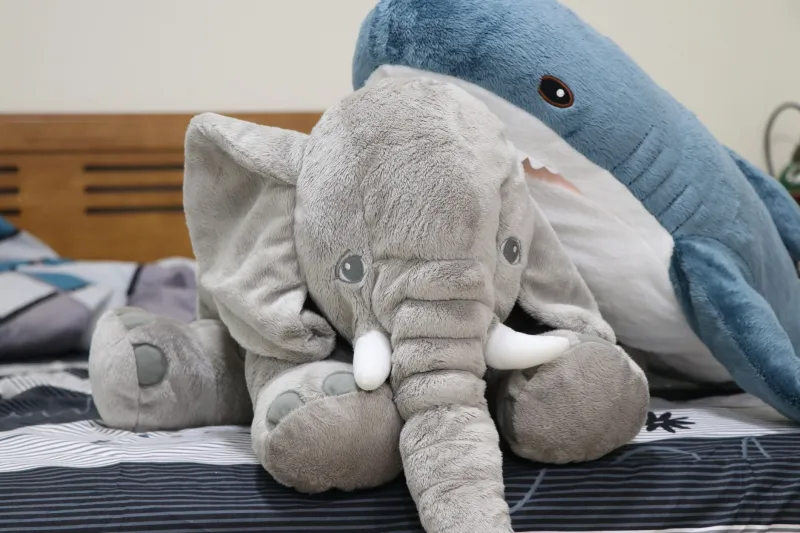
Your plushie lineup — Squishmallows versus Jellycat versus Sanrio plush versus indie artist plushies all communicate different things. The indie plushie crowd skews toward supporting small creators and tends to overlap heavily with alt-kawaii aesthetics.
How TikTok Turned Aesthetic Codes Into Communities
None of this would work at the scale it does without social media — and TikTok in particular has been the engine driving aesthetic community formation. The platform's algorithm is weirdly good at finding your aesthetic niche and delivering you directly to your people, often through hyper-specific sounds, visual trends, and hashtag ecosystems.
Hashtags like #kawaiiaesthetic, #softgirl, #coquetteaesthetic, and #yumekawaii aren't just content labels — they're neighborhood signs. Posting under them is how you announce your address to the community.
"The algorithm kind of does the heavy lifting," says Marcus, a 20-year-old graphic design student in Chicago who creates kawaii-influenced digital art. "I posted one piece with a very specific color palette and a certain kind of rounded, bubbly typography, and within a week I had found like fifty people who were doing almost exactly the same thing. We all ended up in a group chat. Some of them are my closest friends now."
This is the real magic of cute aesthetic language — it doesn't just describe who you are, it actively finds your people for you.
Learning to Speak Cute
If you're new to all of this and feeling a little lost, don't stress. Aesthetic languages are learnable, and the kawaii community is genuinely one of the more welcoming corners of the internet. Start by figuring out which aesthetics you're instinctively drawn to — not what you think you should like, but what actually makes your heart do a little flutter when you see it.
Then go deep. Follow creators in that space. Learn the specific vocabulary. Notice the recurring objects, colors, and characters. Pay attention to how people in that community talk about their interests. Fluency comes from immersion, and immersion is pretty easy when the content is this delightful to consume.
And honestly? Don't overthink the codes too much. At their core, cute aesthetics are just a love language — a way of saying I find beauty in soft, joyful, whimsical things, and I'm looking for people who feel the same way.
That's a message that translates pretty universally, no decoder ring required.