Soft on the Outside, Healing on the Inside: Why Gen Z Can't Stop Collecting Plushies
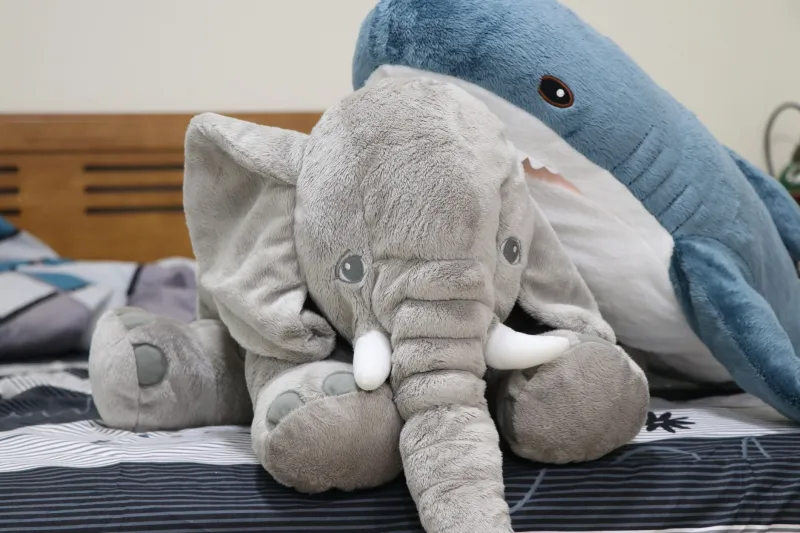
Walk into any Gen Z bedroom in America right now and you'll find at least one. Maybe it's a pastel-bellied Squishmallow wedged between a body pillow and a laptop. Maybe it's a tiny crocheted bear with mismatched button eyes perched on a bookshelf. Maybe it's an entire wall shelf dedicated to Jellycat bunnies organized by size like a very soft, very adorable choir.
Plushies are having a moment — and not in the way they did when you were seven. This isn't about childhood regression or irony. For millions of Gen Z young adults, stuffed animals have become a genuine, intentional tool for managing anxiety, processing big emotions, and creating a sense of safety in a world that feels, honestly, a lot right now.
So what's actually going on? We dug into the psychology, talked to collectors, and looked at the culture to figure out why the squishiest things on the shelf might also be the most emotionally intelligent.
Your Brain on Softness
There's a reason hugging a plushie feels good — like, chemically good. Research in tactile psychology has shown that soft, comforting textures can activate the parasympathetic nervous system, essentially signaling to your body that it's okay to calm down. The sensation of holding something soft and yielding can lower cortisol levels and trigger the release of oxytocin, the same bonding hormone that makes you feel warm and fuzzy when you hug a friend.
Dr. Stuart Brown, a researcher who has spent decades studying play, has pointed out that humans don't actually outgrow the need for tactile comfort — we just get told they do. "The need for physical comfort objects doesn't disappear at a certain age," he's noted in various interviews. "It gets socialized away."
Gen Z, it seems, is done with that particular social rule.
Psychologists also point to the concept of a "transitional object" — a term coined by British pediatrician D.W. Winnicott to describe items like blankets and stuffed animals that help young children self-soothe in the absence of a caregiver. The wild thing? That mechanism doesn't expire. Adults can and do form similar attachments to comfort objects, especially during periods of high stress or uncertainty. And if you've been a young adult in the US anytime in the last several years — living through a pandemic, economic anxiety, and a 24/7 news cycle — you've had plenty of reasons to reach for something soft.
The Squishmallow Effect
No conversation about Gen Z and plushies is complete without talking about Squishmallows. The marshmallow-textured, round-bodied stuffed animals from Kellytoy went from a niche gift shop find to a full-blown cultural phenomenon practically overnight. By 2021, they were selling out at Costco within hours and triggering genuine frenzy at Five Below. TikTok accounts dedicated to "squish hauls" racked up millions of views.
But what made them stick (pun absolutely intended) wasn't just the satisfying texture — though that helped. It was the characters. Each Squishmallow has a name, a backstory, a little personality blurb on its tag. There's Gordon the Shark, who loves photography. There's Cam the Cat, who's obsessed with astronomy. Collectors aren't just buying a soft object; they're building a tiny community of characters that feel like friends.
That narrative layer matters more than it might seem. Projecting personality onto an object — what psychologists call "anthropomorphization" — deepens emotional attachment. It turns a plushie from a passive comfort item into something that feels reciprocal, even if you know logically it isn't. Your brain doesn't always care about logic when it's looking for comfort.
Small Makers, Big Feelings
Beyond mass-market brands, there's a whole ecosystem of independent plushie makers who've built devoted followings on Etsy, Instagram, and TikTok. Crochet artists, sewists, and textile designers are creating one-of-a-kind comfort creatures — sometimes taking custom orders that let buyers describe exactly what kind of energy they want their plushie to have.
Makers in this space often talk about the emotional weight their work carries. "I've had customers tell me they sleep with the plushies I make every night," says one Etsy seller who specializes in handmade stuffed cats and has a five-star shop with thousands of sales. "Some people order them during really hard times — grief, breakups, health stuff. It's a lot of responsibility, honestly. I take it seriously."
That intentionality — buying something handmade, something unique, something made by an actual human — adds another layer of meaning. It's not just a thing. It's a thing with a story, made with care, that belongs specifically to you.
Nostalgia as Self-Care
There's also something deeply intentional about the nostalgia angle. Gen Z didn't grow up in a vacuum — many of them had beloved stuffed animals as kids that got packed away somewhere around middle school because that was just what you did. Coming back to plushies as young adults isn't just comfort-seeking; it's also a reclamation.
In a cultural moment where "soft life" aesthetics and the rejection of hustle culture are everywhere, choosing to surround yourself with things that are gentle and comforting is a quiet act of self-determination. It's saying: I get to decide what belongs in my space, and I want things that make me feel good.
That's not immaturity. That's actually pretty wise.
Building Your Own Comfort Shelf
If you're feeling inspired to start (or expand) your own plushie collection, here are a few places to start:
- Squishmallows — the OG of the modern plushie era. Check Target, Five Below, and Walgreens for rotating stock.
- Jellycat — a UK brand that's become a cult favorite in the US for its impossibly soft, dreamy designs. Slightly pricier but absolutely worth it.
- Etsy — search "handmade plushie," "amigurumi custom," or "crochet stuffed animal" for one-of-a-kind finds from independent artists.
- Anime and kawaii specialty shops — stores like Kinokuniya (if you're near a major city) or online shops like Blippo carry imported plushies from Japanese brands that lean hard into the kawaii aesthetic.
- Thrift stores — vintage stuffed animals with a little cleaning and TLC can become totally treasured pieces.
It's Okay to Need Something Soft
At the end of the day, the plushie renaissance isn't really about toys. It's about a generation that grew up being told to be resilient, productive, and constantly online — and quietly deciding that sometimes, resilience looks like a round little stuffed cow sitting on your desk while you answer emails.
The science backs it up. The culture backs it up. And honestly? The vibe backs it up.
Your comfort creatures aren't childish. They're cute, they're intentional, and they might just be one of the healthiest things on your shelf.