Show Me the Money, Honey: Breaking Down How Much Gen Z Is Actually Dropping on Cute Stuff
The narrative about Gen Z and money usually goes one of two ways. Either they're impossibly frugal — clipping digital coupons, thrifting everything, doom-scrolling financial anxiety content — or they're reckless spenders blowing their paychecks on iced coffee and vibes. The reality, as with most things Gen Z, is more interesting and more specific than either version.
When it comes to cute, kawaii, and aesthetic-forward products, Gen Z is spending. A lot. And the categories where that money flows reveal something genuinely fascinating about what this generation values, how they build identity, and why "cute" has quietly become one of the most lucrative aesthetic categories in the US consumer market.
The Numbers First
Let's start with some context. The global kawaii market — which includes character merchandise, plush toys, stationery, fashion, home goods, and related categories — was valued at roughly $95 billion in 2023 and is projected to exceed $130 billion by 2030, according to market research firm Grand View Research. The US is one of the fastest-growing markets in that expansion.
Sanrio alone, the company behind Hello Kitty, Cinnamoroll, Kuromi, and the rest of the roster, reported record-breaking merchandise sales in the US in recent years, driven almost entirely by Gen Z and younger millennial consumers. The brand's US revenue growth has consistently outpaced its home market in Japan — a remarkable reversal that speaks directly to how thoroughly kawaii culture has embedded itself in American youth consumer behavior.
Squishmallows, the plush toy brand that became a cultural phenomenon, generated over $1 billion in retail sales in 2021 alone — its third year on the market. The customer base? Overwhelmingly Gen Z.
What They're Actually Buying
Breaking down the cute economy by category reveals some genuinely surprising patterns.
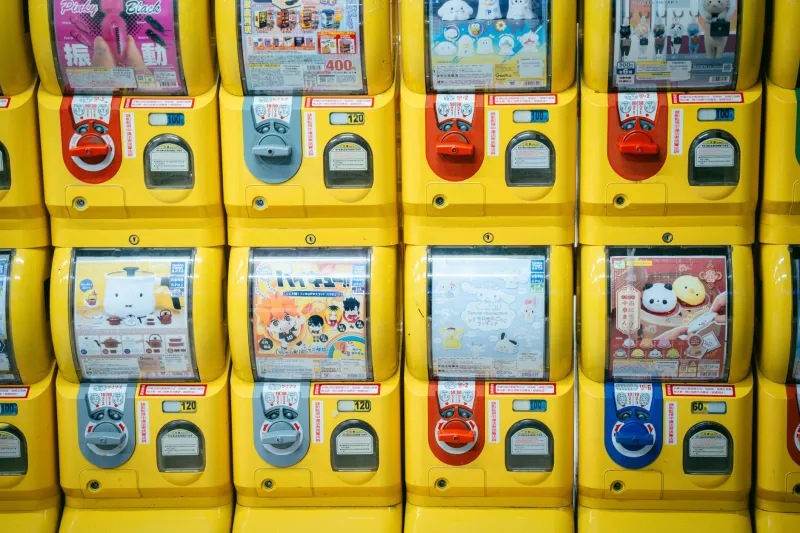
Character Merchandise remains the anchor category. Sanrio products, Pokémon merchandise, Studio Ghibli goods, and a constellation of indie character brands pull consistent spending from Gen Z consumers who treat character collecting as both hobby and identity expression. A 2023 survey by Statista found that Gen Z consumers in the US spent an average of $47 per month on character-licensed merchandise — nearly double the spend of millennials in the same category.
Aesthetic Home Goods are the sleeper hit of the cute economy. Mushroom-shaped lamps, cloud-shaped pillows, pastel mini appliances, kawaii-adjacent kitchen accessories — this category has exploded as Gen Z has aged into their own living spaces. IKEA reported that Gen Z customers in the US spend disproportionately on decorative items relative to functional furniture. Target's "Room Essentials" and similar lines specifically developed with aesthetic-forward design have become some of the retailer's strongest performers among 18-to-26-year-olds.
Stationery and Desk Accessories represent a category that looks modest but adds up fast. Washi tape, character pens, kawaii notebooks, acrylic desk organizers — these are regular, recurring purchases rather than one-time splurges. Industry analysts estimate the US decorative stationery market at over $4 billion annually, with Gen Z driving the majority of growth in the "cute" subcategory.
Fashion and Accessories deserve their own conversation. Kawaii-influenced fashion — think Coquette, Y2K revival, fairy kei, cottagecore — has driven significant spending both in fast fashion (Shein, ASOS) and in the independent designer market (Depop, Etsy). The interesting story here is the range: Gen Z cute fashion spending spans everything from $8 Shein hauls to $200+ indie brand pieces, often within the same closet.
The Experience Economy Gets Cute
One of the most significant — and least discussed — segments of the cute economy is experiential spending. Gen Z isn't just buying objects; they're paying for cute experiences.
Sanrio's permanent theme park, Puroland, in Japan has seen a notable uptick in US visitors. Closer to home, kawaii-themed pop-up experiences, character café concepts, and aesthetic-forward events have proliferated in major US cities. Hello Kitty Café trucks, Pokémon pop-ups, Sanrio character meet-and-greets — these events routinely sell out, and consumers are paying premium prices for the experience and the exclusive merchandise that comes with it.
Streaming and digital subscriptions also factor in. Crunchyroll, which carries a huge catalog of anime including the softer, cozier genres that overlap heavily with kawaii aesthetics, has grown its US subscriber base significantly year over year. Cozy game purchases on platforms like Nintendo Switch — Animal Crossing, Stardew Valley, Kirby titles — represent another chunk of cute economy spending that often gets overlooked in traditional retail analyses.
Why Are They Spending Like This?
Economists and consumer behavior researchers who study Gen Z spending point to a few converging factors.
First, identity investment. For a generation that grew up online, aesthetic coherence is genuinely meaningful. The things you own and display — your desk setup, your plushie collection, your character tote bag — communicate who you are in spaces both physical and digital. That communication has real social value, which makes the spending feel rational rather than frivolous.
Second, the accessible luxury effect. High-end fashion and traditional luxury goods are largely out of reach for Gen Z's income levels. Cute products occupy a sweet spot: they can be genuinely high-quality and design-forward without requiring the kind of capital that a designer bag demands. A $45 Sanrio collaboration piece delivers a similar emotional hit to a luxury purchase at a fraction of the price.
Third — and this is the one that surprises people — intentionality. Despite the volume of their cute spending, Gen Z consumers in this category tend to be more research-driven than older generations. They know the indie brands, they follow the drops, they participate in secondary markets. This isn't impulse buying; it's a hobby with spending attached.
The Thrift Paradox
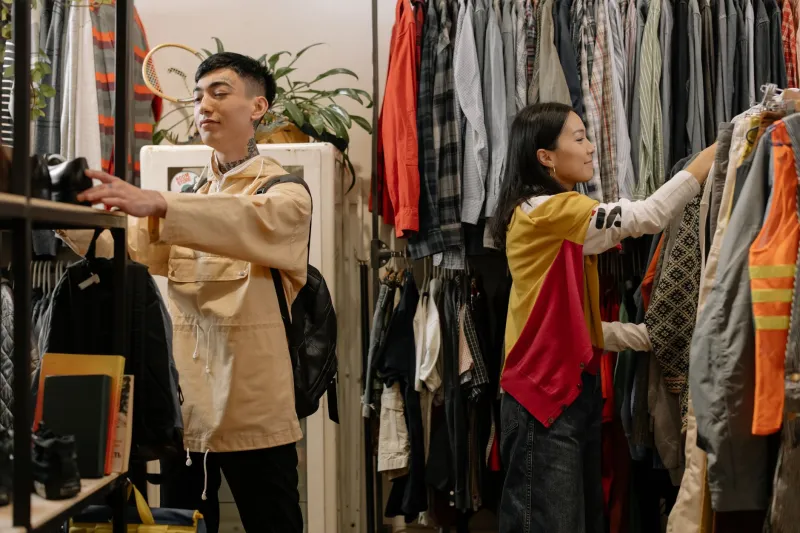
Here's the part that complicates the "Gen Z is financially responsible" narrative: a significant portion of cute economy spending happens alongside thrifting and secondhand shopping, not instead of it. Gen Z consumers often save money in some categories specifically to spend it in others — and cute goods are frequently the "others."
This isn't irrational. It's prioritization. The same person buying secondhand clothes at Goodwill might be putting that saved money toward a limited-edition Cinnamoroll collaboration or a cozy game release. The frugality and the splurging aren't contradictions — they're a budget strategy.
What the Cute Economy Is Actually Telling Us
Spending data is never just about money. It's a map of what people care about, what makes them feel good, and how they want to show up in the world.
For Gen Z, the cute economy is a map to community, identity, comfort, and joy. The $47 a month on character merch, the $30 washi tape haul, the $15 cozy game — these aren't frivolous expenditures to be embarrassed about. They're investments in a specific quality of life that prioritizes softness, whimsy, and genuine delight in a world that frequently offers very little of either.
The brands and retailers that understand this aren't just selling products. They're selling access to a feeling. And Gen Z, it turns out, is absolutely willing to pay for that.