Soft But Make It Sharp: How Gen Z Is Owning Cuteness Without Apologizing for It
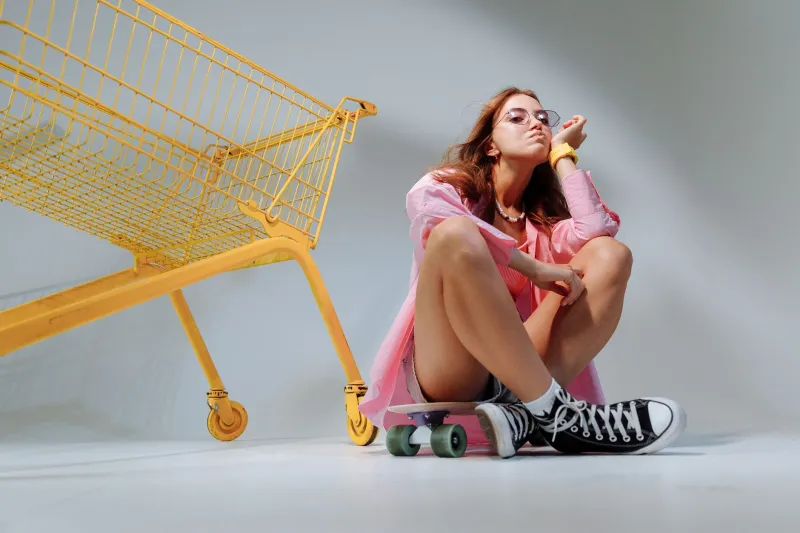
There's a moment every self-described "cute girl" knows way too well. You walk into a room in your best pastel fit, maybe a little bow in your hair, a tote bag with a frog on it — and somewhere between the front door and your seat, you catch the look. The one that says: okay, but are you actually serious?
It's a weird tax to pay for loving cute things. And honestly? Gen Z is getting really tired of paying it.
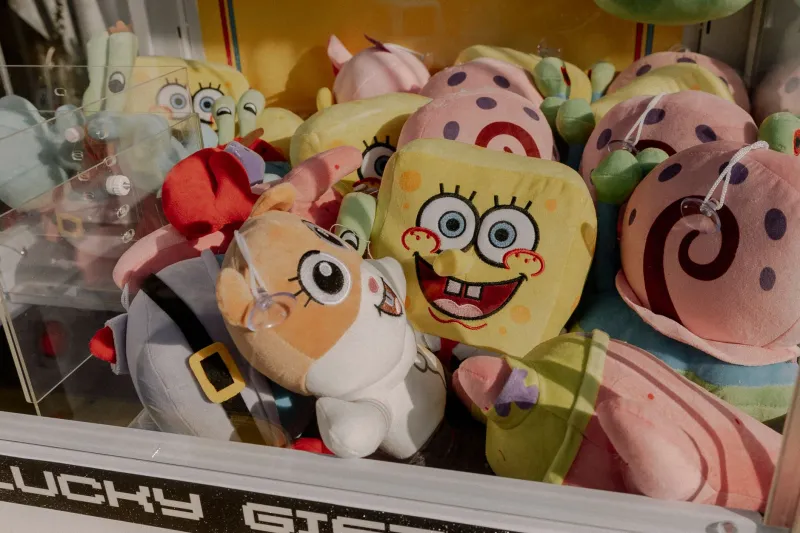
Because here's the thing — loving soft aesthetics, collecting plushies, squealing over a limited-edition Sanrio drop, and wearing strawberry-printed everything doesn't make you naive. It doesn't make you weak. And it definitely doesn't mean you don't have opinions, ambitions, or a razor-sharp sense of humor lurking underneath all that blush pink. But the stigma lingers, and Gen Z is caught in a genuinely tricky push-and-pull: wanting to fully embrace cuteness culture while refusing to be flattened by the assumptions that come with it.
This is the cute girl's dilemma — and it's more layered than it looks.
The Double Bind Nobody Talks About
Growing up online means growing up in a world where your aesthetic is also your identity, whether you like it or not. Platforms like TikTok and Pinterest made it easy — and kind of irresistible — to curate a whole visual personality around softness, pastel color palettes, and maximalist kawaii energy. And for a lot of young people, that wasn't performance. It was genuine.
But the internet giveth and the internet taketh away. The same spaces that celebrate "coquette aesthetic" and "soft girl" energy also have a long, uncomfortable history of treating feminine softness as something to mock, infantilize, or dismiss. Be cute, sure — but not too cute. Not so cute that people stop taking you seriously. Not so cute that you become a meme.
The result? A whole generation of people who genuinely love cute things but have learned to preemptively hedge. I know it's a lot. Don't judge me, but... I'm not usually like this. Sound familiar? That constant low-level disclaimer — that apologetic wrapper around something you actually love — is exhausting. And more and more, Gen Z is calling it out for what it is.
Reclaiming the Word "Cute" Like It's a Superpower
Here's what's actually happening in real time: Gen Z isn't abandoning cuteness. They're expanding what it can mean.
The vibe right now isn't soft or sharp — it's soft and sharp, all at once. Think of the girl who shows up to a debate in a babydoll dress and absolutely dismantles the other side. The artist who makes the most achingly precious illustrations and also has a pitch-black sense of humor. The creator who unboxes plushies with the same energy she uses to call out brands that do her community dirty.
Cuteness, in Gen Z's hands, has become a kind of armor. Not because it hides who you are — but because it makes space for all of who you are. You can be the person who cries at Studio Ghibli films and the person who negotiates hard for what she deserves. These things are not in conflict. They never were.
Aesthetics like "dark kawaii," "creepy cute," and even the whole "villain era" trend are part of this reclamation project. They're ways of saying: I love cute things, AND I contain multitudes, AND I will not be put in a box, AND my Hello Kitty pencil case does not define my threat level.
The "Too Much" Problem
Of course, the flip side of all this is real too. Sometimes the pressure doesn't come from outside — it comes from within the community itself.
Cuteness culture, for all its warmth and inclusivity, has its own internal hierarchies. There are unspoken rules about what counts as authentically cute versus trying too hard. There's gatekeeping around which aesthetics are "pure" and which ones have been co-opted. And there's a very specific kind of social exhaustion that comes from trying to keep up with a trend cycle that moves at the speed of a TikTok For You page.
Being "too much" — too loud, too eager, too maximalist, too into it — can feel just as isolating inside cute spaces as being dismissed for your softness feels outside of them. And that's a tension worth naming, because it points to something important: the pressure to perform cuteness perfectly is still pressure. Even when it's pastel-colored.
What Owning It Actually Looks Like
The Gen Z creators and communities doing this best have figured out something quietly radical: you don't have to resolve the tension. You just have to stop letting it run the show.
Owning cuteness on your own terms looks like a lot of different things. It's wearing the bow without explaining yourself. It's being unapologetically obsessed with your niche — whether that's fairy kei fashion, vintage Polly Pocket, or collecting every Kuromi variant ever made — without softening that enthusiasm for an audience that doesn't get it. It's also being honest when the aesthetic gets heavy, when the pressure to be perpetually wholesome feels like a costume that doesn't quite fit.
Some of the most beloved voices in this space are the ones who hold both truths at once: the genuine love for all things soft and sweet, and the self-awareness to poke fun at the culture from the inside. They're not performing cuteness. They're living it — messily, joyfully, and entirely on their own terms.
The Bottom Line
Cuteness was never just about aesthetics. It's always been about permission — permission to take up space softly, to find joy in small things, to care loudly about stuff the world might call silly. Gen Z didn't invent that impulse. But they are, arguably, the first generation to fight this hard for the right to own it without shame.
So if you're sitting there in your strawberry earrings and your carefully curated Pinterest board, feeling the weight of that unspoken disclaimer — you can put it down. You're not too much. You're not not enough. You're exactly the right amount of everything, all at once.
And honestly? That's the cutest thing of all.