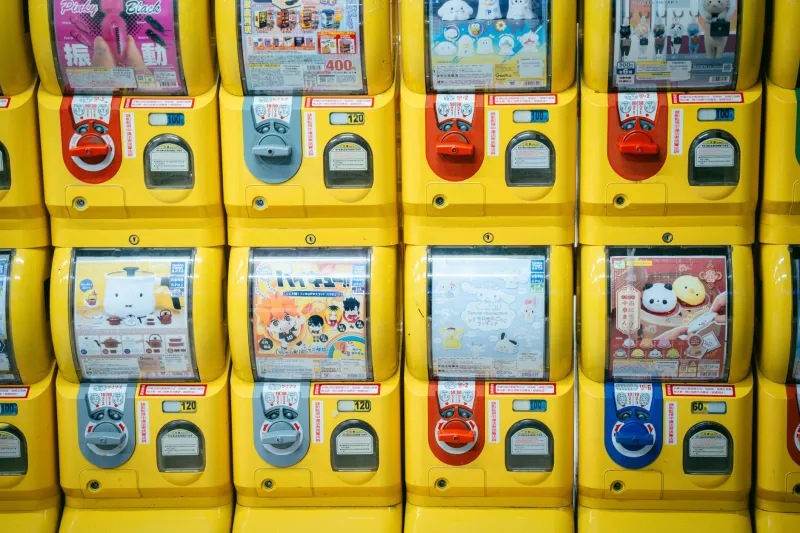
Adorable on the Label, Ugly in the Factory: What Your Favorite Kawaii Brands Don't Want You to Know
The packaging is always the first thing you notice. Soft pink tissue paper. A little thank-you card with a hand-drawn doodle. A sticker that says "made with love" tucked in beside your new embroidered hoodie or character-print tote. It feels personal. It feels small. It feels like the opposite of fast fashion.
But for a growing number of kawaii and cute aesthetic brands doing serious volume — some pulling in millions in annual revenue from Gen Z shoppers — that indie, ethical packaging is doing a lot of heavy lifting to distract from supply chains that look a lot more complicated up close.
The Ethics Gap in Cute Commerce
Gen Z is, by every available metric, the most values-driven consumer generation in recent memory. Studies consistently show that young shoppers are willing to pay more for products they believe are ethically made, sustainably sourced, or produced by businesses that share their values. Brands that market themselves as kawaii, indie, or small-batch have become exceptionally good at speaking this language.
The problem is that speaking the language and actually living it are two very different things.
"There's a specific kind of brand aesthetic that signals ethics without ever actually claiming it," says Maya Chen, a supply chain researcher based in New York who focuses on the fashion and merchandise sector. "Pastel colors, hand-drawn logos, language like 'carefully crafted' or 'lovingly made' — none of that means anything legally. It's vibe-based marketing, and it's very effective."
Effective enough that many shoppers never think to ask where the product actually comes from. A plushie marketed as "indie" and sold through an Etsy storefront with 50,000 followers could be manufactured in a factory with no labor oversight and shipped wholesale from overseas. Without explicit, verifiable sourcing information, there's no way to know — and most brands are counting on customers not to dig.
What Greenwashing Looks Like in Kawaii Spaces
Greenwashing — the practice of marketing a product or brand as environmentally or ethically conscious without substantive evidence to back it up — isn't new. But it's found a particularly comfortable home in the cute aesthetic space, where the overall vibe of softness and care extends naturally (and misleadingly) to imply responsible production.
Common tactics include:
Vague material claims. "Eco-friendly packaging" often just means the box is brown cardboard. "Sustainable materials" can mean a single recycled component in an otherwise conventional product. Without certifications — look for things like GOTS (Global Organic Textile Standard), Fair Trade, or B Corp status — these claims are essentially meaningless.
The small-batch illusion. Plenty of brands describe themselves as "small batch" or "handmade" while actually outsourcing production to large overseas manufacturers. Legally, a brand owner can design a product and have it mass-produced elsewhere while still calling it their own creation. The "handmade" label has almost no legal definition in the US merchandise context.
Strategic vagueness on sourcing. Brands will frequently say products are "designed in [US city]" rather than "made in [US city]" — a meaningful distinction that most shoppers miss. Designed here, manufactured somewhere with significantly lower labor costs and less oversight: that's a very common model.
Charity-washing. Announcing a donation of 1% of proceeds to a vague environmental cause while manufacturing in facilities with documented labor violations is a genuine thing that happens. The charity mention creates a halo of goodness that obscures the production reality.
The Human Cost
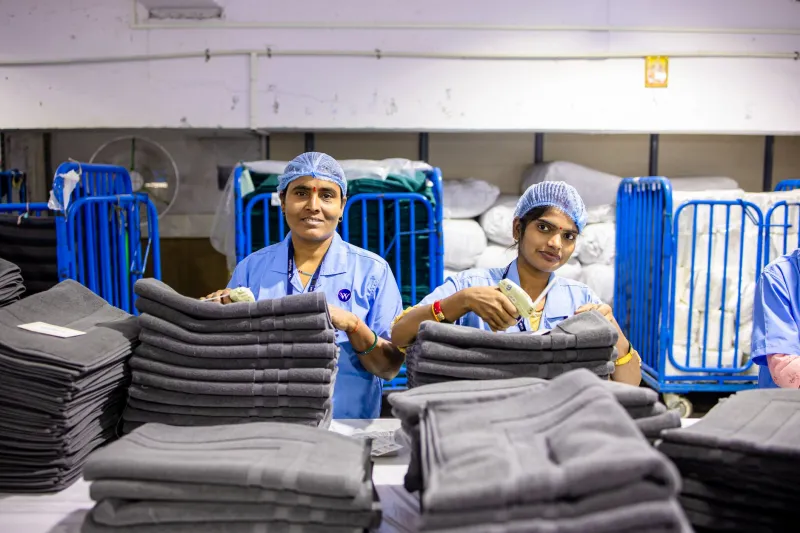
Behind the cute merch ecosystem — the enamel pins, the character plushies, the embroidered patches, the printed tote bags — is a global manufacturing network that includes factories in countries where labor protections are minimal and worker advocacy is actively suppressed.
Research by organizations like the Clean Clothes Campaign and Good On You has repeatedly documented conditions in the types of factories that produce exactly this kind of small merchandise: long shifts, wages well below living standards, poor ventilation in facilities handling dyes and synthetic materials, and no meaningful avenue for workers to raise concerns without risking their jobs.
None of this is unique to kawaii brands — it's a structural problem in global manufacturing. But the cognitive dissonance is sharper here. A brand whose entire identity is built on warmth, care, and community is producing its goods in conditions that embody none of those values. The gap between the vibe being sold and the reality being funded is significant.
Several mid-size kawaii brands contacted for this piece declined to share specific supplier information, with responses ranging from "we're not able to share that information at this time" to no response at all. One brand's PR representative described their manufacturing as "responsibly sourced through trusted partners" — a phrase that contains zero verifiable information.
The Brands That Are Actually Doing It Right
This isn't a universally bleak picture. Some brands in the cute and kawaii space are genuinely doing the work — and they're usually pretty easy to identify, because they're not vague about it.
Brands with legitimate ethical credentials tend to publish supplier lists or factory names. They hold third-party certifications rather than self-certifying. They can tell you specifically what "sustainable" means in their production process. They acknowledge limitations and areas they're still working on, rather than presenting a seamless ethical narrative.
Smaller, genuinely independent creators — people who are actually hand-making products in limited quantities — also exist in this space, and supporting them is meaningfully different from buying from a brand that's performing smallness while operating at scale. The key is doing a little homework: check Good On You ratings, look for certification logos, search the brand name plus "factory" or "supplier" and see what comes up.
What Conscious Cute Shopping Actually Looks Like
The goal isn't to make cute shopping joyless — it's to make it informed. A few genuinely useful habits:
Ask where it's made. Not designed. Made. If a brand can't or won't answer that question, that's information.
Look for specificity over vibes. "We care about the planet" is a vibe. "Our manufacturer is certified by [specific organization] and audited annually" is information.
Buy secondhand when you can. The resale market for kawaii goods is thriving — Depop, Mercari, and dedicated Facebook groups are full of pre-loved cute stuff. Zero new production required.
Support the actual small creators. Artists selling their own hand-printed work at conventions or through small Etsy shops with transparent processes are the real indie economy. They deserve the money more than a brand doing 7-figure revenue while performing smallness.
The cute economy is real, it's large, and it's built on the genuine values of a generation that cares. The least the brands profiting from it can do is actually share those values — not just the aesthetic.