Sweetness as Subversion: Why Gen Z's Radical Kindness Online Is Lowkey the Boldest Thing on the Internet
There's this idea that's been floating around the internet forever — that if you're too nice, you're either naive, a pushover, or secretly plotting something. Cynicism became the default setting. Sarcasm became the language of being Cool and Aware. And somewhere along the way, being genuinely, warmly, unironically kind online started to feel almost... embarrassing?
Gen Z looked at all of that and said: absolutely not.
Because here's the thing — choosing sweetness in a space that's been marinating in toxicity for years isn't soft. It's actually kind of a power move. And more young people are catching on to that every single day.
The Internet Got Mean, and Gen Z Got Tired of It
Let's be honest about where we are. Online spaces — especially social media — have been genuinely rough for a long time. Comment sections turned into battlegrounds. Dunking on strangers became a sport. Even spaces that started out wholesome eventually got colonized by negativity, snark, and the kind of low-grade cruelty that wears irony as a costume.
Millennials kind of coped with that by leaning into the chaos — the self-deprecating humor, the 'we're all disasters' energy. That had its moment. But Gen Z? They grew up inside that chaos. They didn't discover a toxic internet; they were raised by one. And a lot of them are genuinely exhausted.
So when platforms like TikTok started surfacing videos of people leaving kind comments, cheering on strangers, and building little pockets of warmth in the comment sections — people didn't roll their eyes. They cried. Like, actually cried. Because it felt so rare and so real.
What Radical Kindness Actually Looks Like in the Wild
This isn't just vibes — there are real, thriving communities built entirely around the practice of being genuinely nice online, and they're worth paying attention to.
On Reddit, communities like r/MadeMeSmile and r/HydroHomies have become massive not because they're doing anything flashy, but because the rule is simple: be kind, be supportive, be here for each other. Moderation is strict. Negativity gets removed. And millions of people keep showing up because it feels good to be somewhere that isn't trying to eat you alive.
On Discord, countless servers built around fandoms, aesthetics, and hobbies have developed entire cultures around what members call 'safe space energy' — where hyping each other up is the norm, where new members get welcomed with genuine enthusiasm, and where calling out cruelty is treated as a community responsibility, not an overreaction.
And then there's TikTok's comment culture, which has genuinely evolved into something fascinating. Creators with massive followings have started openly thanking their communities for keeping things kind, and their audiences respond by doubling down on the sweetness. It becomes self-reinforcing. One kind comment begets another, and suddenly the whole section feels like a group hug.
The Psychology Behind Why This Hits Different
Here's where it gets interesting from a psychological standpoint. Researchers who study online behavior have noted for years that negativity spreads faster than positivity in digital spaces — it's more emotionally activating, it gets more engagement, it feeds the algorithm. So kindness has always been fighting uphill.
But there's a flip side: when people do experience genuine warmth online, the impact is disproportionately powerful. It stands out. It's memorable. It creates real feelings of connection and belonging in a space that usually feels anonymous and cold.
Gen Z — a generation that has been incredibly vocal about mental health, about the emotional cost of constant negativity, about wanting better — has essentially started hacking this dynamic. By choosing to be the warm presence in a comment section, by actively building communities where kindness is the expectation rather than the exception, they're not just making things nicer. They're rewriting the emotional architecture of how online spaces feel.
And that? Is genuinely radical.
Being Nice Is a Boundary, Not an Absence of One
One of the biggest misconceptions about kindness — especially online — is that it means being a doormat. That being sweet means you can't push back, can't have opinions, can't hold your ground.
But the Gen Z version of online niceness is way more nuanced than that. It's not about being agreeable with everyone. It's about choosing how you show up — and refusing to let the worst parts of internet culture drag you down to their level.
A lot of creators talk about this openly. They'll cheerfully block, mute, or simply not engage with negativity — not out of fragility, but out of intentionality. They've decided their digital space is going to feel a certain way, and they're curating it accordingly. That's not weakness. That's a boundary with a bow on it.
There's also something deeply self-protective about it. Maintaining a posture of kindness — even when things get hard — is genuinely good for your nervous system. It keeps you out of the cortisol spiral of online arguments. It keeps you connected to what you actually care about. It's self-care that also happens to make the internet slightly better for everyone around you.
The Aesthetic of Kindness (Yes, It's a Whole Thing)
Okay, and we have to talk about the visual language of all this, because obviously we're Cute Is What We Aim For and aesthetics matter here.
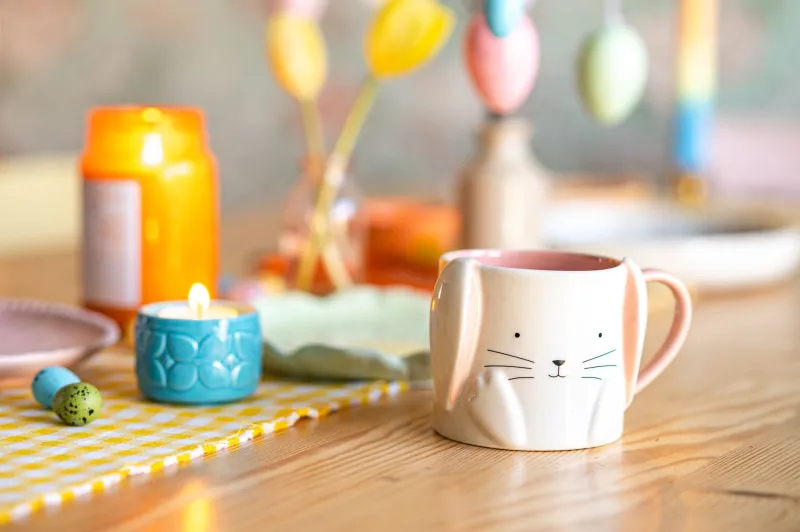
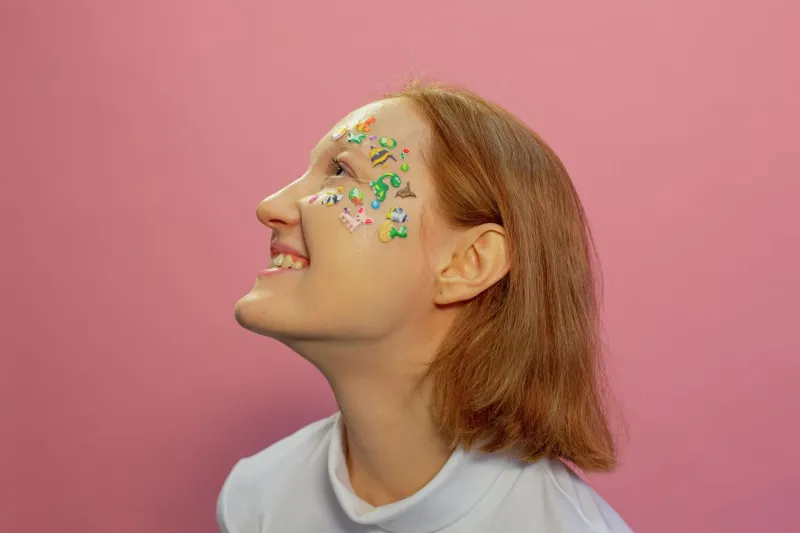
The communities and creators who are leading this kindness-forward wave tend to share a certain visual sensibility — soft colors, rounded fonts, sticker-covered profiles, kawaii-adjacent imagery. There's something really intentional about that overlap. The aesthetic of cuteness has always carried emotional signals: approachability, warmth, safety, playfulness. When someone's profile is decked out in pastels and tiny hearts, it's communicating something before they've even typed a word.
It's almost like the visual language of kawaii culture and the values of radical online kindness have found each other and decided they make perfect sense together. Cute as a signal. Sweetness as a stance. Softness as strength.
So What Do We Do With All This?
Honestly? We lean in.
If you've been feeling like the internet is just kind of a lot lately — like you're one bad comment section away from logging off forever — consider this your invitation to try something a little different. Leave the nice comment. Hype up the creator who's putting themselves out there. Join the Discord that actually feels good to be in. Build the community you wish existed.
It's not naive. It's not performative (as long as you mean it). And it's definitely not weakness.
Being genuinely, warmly, unironically kind online in 2024 is one of the most quietly subversive things you can do. It's a refusal to let the worst of internet culture win. It's a choice to protect your own peace while making space for other people to feel safe.
And honestly? It's kind of the cutest thing we've ever heard.